
A denim patch pack RFQ should define the pieces inside one offered pack before comparing order quantities or quotations. Ask for a shape-by-shape contents list, identify the shade references and agree the purchasing unit. A catalogue composition or pack label can identify the enquiry, but it does not independently verify the contents of the item you will receive.
Distinguish the illustrated assortment from supplied contents
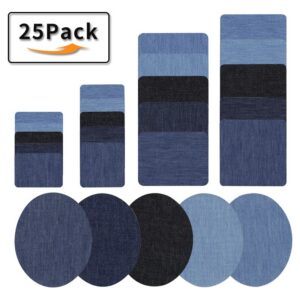
The cached XH Patches home links its Denim patch category to a composition showing rectangular and oval shapes in blue and dark shades. The artwork also displays a 25Pack label. These are useful identification details when asking about the catalogue item. They do not establish that a particular offered pack contains that count, that every visible shape is included, or that the current quotation covers the same assortment.
Ask the supplier to identify the exact offered item and provide a contents list for one pack. Keep the image reference attached to the enquiry so any difference is easy to explain. If the supplier offers another combination, record that combination as a separate proposal rather than treating it as the illustrated version. Preserve the original catalogue label in the discussion without presenting it as an independently checked count.
Map shape, size reference and quantity together
Give each distinct shape and requested version its own row. A rectangle and an oval should not share a single description merely because both appear in the same image. If several sizes of one shape are required, identify each using an agreed drawing or sample reference. Ask the supplier to report the offered measurements against named points; do not estimate dimensions from the relative sizes shown in a composite picture.
Add the quantity of each line inside one proposed pack, then ask the supplier to reconcile the total with its packing description. A total alone cannot explain whether the mix suits the buyer’s intended assortment. Keep unknown counts blank or pending until confirmed. Where the supplier’s existing mix differs from the buyer’s request, ask what can actually be offered rather than assuming a custom assortment service.
Pack-content field | Buyer should identify | Supplier should return
Shape reference | Separate rectangle or oval line | Matching offered piece reference
Size basis | Drawing or marked sample points | Confirmed offered measurements
Shade reference | Named physical or image reference | Available sample and exceptions
Pieces per pack | Requested count for each line | Actual proposed pack contents
Order unit | Packs and any separate piece basis | Quotation and packing units
Use shade references without inferring composition
The category image distinguishes several visible blue and dark appearances. Use these to identify the discussion, then request an offered sample or an agreed colour reference for the actual order. Do not infer an exact physical shade from a screen. If the assortment needs a fixed distribution of shades, state that requirement per pack and ask the supplier to identify any variation in the offered contents.
The word denim is the supplier’s category reference here. It is not a verified fibre-composition or construction report for a sample. If the order requires a particular composition, structure or other technical feature, request item-specific confirmation and appropriate evidence. Keep those fields separate from the shape and quantity map. A correct piece count does not validate an unconfirmed material declaration or performance statement.
Separate the pack specification from application claims
Ask the supplier to identify the reverse side and proposed application method for the offered item. The artwork does not establish an adhesive backing, a heat-application procedure or sewing requirements. If the buyer has an intended garment or other substrate, describe it as the proposed application context and ask what evidence is available for that exact use. Do not treat an assortment picture as a compatibility result.
Likewise, any wash, wear or durability requirement needs a separately agreed method and supporting evidence. Do not add repair-strength claims to the purchase description because the products are called patches. The purchasing record can approve visible shapes, confirmed measurements and pack contents while leaving performance questions unresolved. Make that scope clear so a limited sample check is not later described as a complete functional approval.
• Keep the visible 25Pack label as a catalogue reference, not a verified supply count.
• Reconcile every shape and shade line with the confirmed per-pack total.
• Distinguish pack quantities from loose-piece quantities in the quotation.
• Keep backing, material and performance evidence separate from contents approval.
Make receiving checks match the quoted unit
Before ordering, compare the confirmed pack map with the quotation and any proposed label. State whether the commercial quantity concerns packs, individual pieces or another agreed unit. If the buyer requests multiple pack versions, give each version its own identifier. Do not allow different assortments to share a label simply because their overall counts happen to match.
Link the approved sample and contents list to the order revision. Receiving staff can then check the specified lines and report a shortage, substitution or unidentified piece against the same reference. If the supplier proposes a later change, preserve the earlier list and obtain agreement on the revision. This creates a practical purchasing record while leaving unmeasured product properties and unconfirmed services outside the claims made for the catalogue item.
Frequently asked questions
Does the 25Pack text confirm the contents of the quotation?
No. It is visible catalogue artwork. Ask for the exact offered item’s per-pack contents and reconcile those details with the quotation and approved sample.
Can shapes be measured from the composite picture?
No. Relative picture sizes are identification cues. Request dimensions for the offered pieces using defined measurement points or an agreed drawing.
Does a matching assortment prove wash resistance or adhesion?
No. Contents approval is separate from material, backing, application and performance evidence. Record any unresolved technical question explicitly before making product claims.
Product and contact references
Catalogue reference: confirm matching item: https://xhpatches.com/products/?product_filter=%e7%89%9b%e4%bb%94%e5%b8%83%e8%b4%b4
Related catalogue reference: https://xhpatches.com/products/
Contact XH Patches: https://xhpatches.com/contact/
XH Patches blog: https://xhpatches.com/blog/